Why Evaluation and Monitoring Matter in Cultural Diplomacy
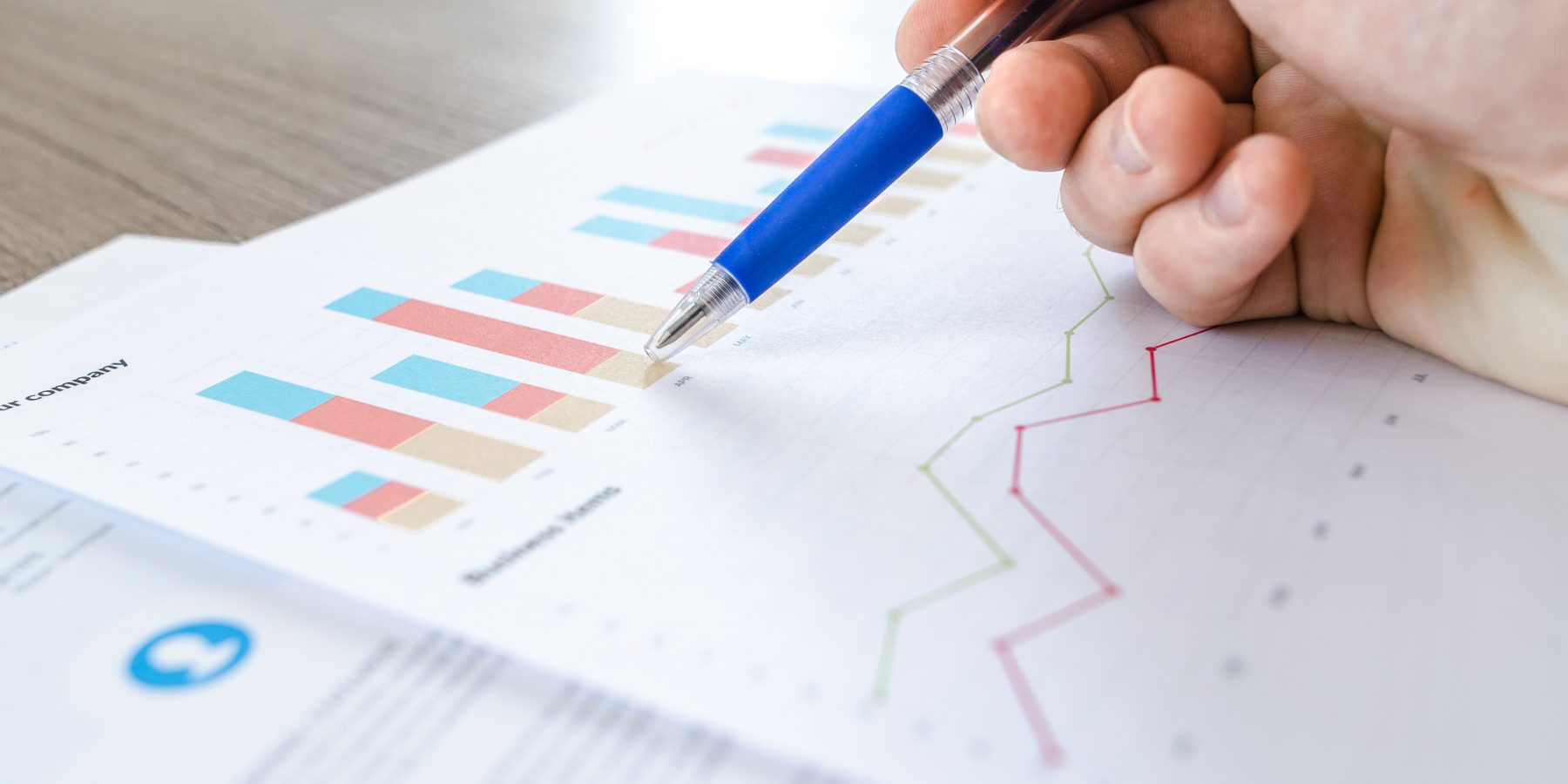
There are many definitions about cultural diplomacy. I profer to consider my work as a pracitce through which states and/or international organisations pursue foreign policy objectives. There exists many approaches how to implement cultural diplomacy. In this field measuring results and impacts is often considered problematic. There is still a common perception that cultural projects cannot be measured. Some argue that quantitative analysis fails to capture the complexity and nuance of artistic work. Others point out a more practical challenge: in cultural diplomacy there is often limited time, and evaluation activities are the first to be postponed or neglected. I understand the difficulties of measuring impact of artistic work, but in this field of work we are not merely artistic directors. Cultural diplomats collaborate with organisations and practitioners who create and deliver artistic content. Therefore, cultural diplomacy is less about making artistic choices and more about building networks, facilitating partnerships, and identifying strategic opportunities. Our role is often one of connection, coordination and positioning rather than curation. So, despite the difficulties, why is it important to try to measure results in cultural diplomacy?
- Without data, it becomes difficult to tell the story of what has been achieved. Careful analysis can reveal patterns and insights that would otherwise remain hidden. Numbers do not replace narratives, but they support them.
- Cultural teams in diplomatic missions should also see themselves as learning teams. Reflection requires input. Structured monitoring helps teams understand what worked well, what did not, and why. This is not about control; it is about continuous improvement.
- There is also an important dimension of accountability. In diplomacy, we work with taxpayers’ money. The public has a right to know how cultural budgets are used and what impact they generate.
- Finally, from an internal perspective, having reliable data strengthens a team’s position. Evidence-based reporting allows you to defend your work and demonstrate performance using your own data.
Another common obstacle is the perceived lack of technical knowledge. How should projects be tracked? How should data be structured? In reality, one can start very simply. Tools such as LibreOffice Calc, Excel, or Google Sheets are entirely sufficient to build a basic monitoring system. If you are interested, you can find the tutorial here: evaluating_cultural_diplomacy_made_easy